What Is Stress?
Stress is your body’s natural response to challenges or demands. It can come from work, school, or personal life. Sometimes, stress helps you stay alert. However, too much stress can harm your health. For example, it may cause headaches, trouble sleeping, or mood changes. Because of this, finding ways to manage stress is important for your well-being.
How Yoga Helps Relieve Stress
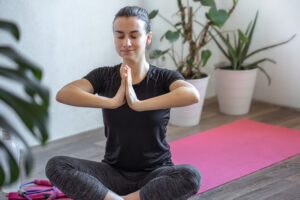
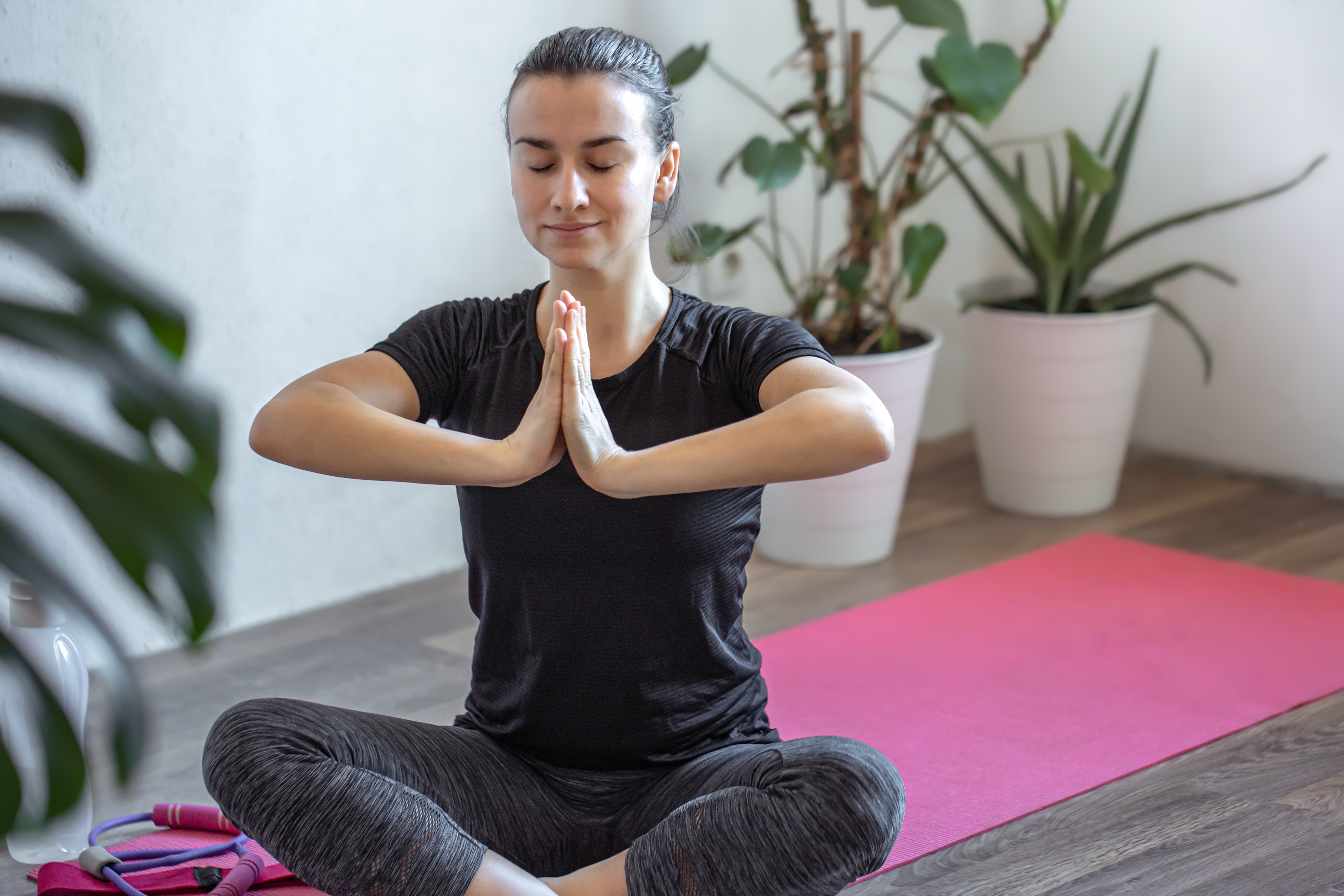
Yoga for stress relief is a popular and effective method. It combines gentle movement, breathing, and relaxation. As a result, yoga helps calm your mind and body. Studies show that regular yoga practice can lower stress hormones. In addition, yoga may improve mood and help you sleep better. According to the CDC, mind-body practices like yoga can support mental health.
Key Yoga Poses and Techniques for Stress Relief
Many people ask about the best yoga poses for stress. While there are many options, some poses and techniques are especially helpful. For example, gentle stretches and deep breathing can quickly ease tension. Here are some yoga techniques to reduce anxiety and stress:
Tips for Starting a Yoga Practice
Starting yoga for stress relief does not have to be hard. In fact, you can begin at home with simple steps. Here are some tips to help you get started:
Safety Considerations and When to Seek Help
Yoga is safe for most people. However, you should take some precautions. For instance, talk to your doctor before starting if you have health problems or injuries. Always stop if you feel pain or dizziness. In addition, choose poses that match your fitness level. If stress feels overwhelming or lasts a long time, seek help from a healthcare professional. Remember, yoga is a tool, but it may not replace medical care for serious stress or anxiety.
Frequently Asked Questions (FAQs)
Conclusion and Call-to-Action
Yoga for stress relief offers many benefits. It can help calm your mind, relax your body, and improve your mood. With simple poses and breathing, you can start feeling better today. For the best results, practice regularly and listen to your body. If you have questions or health concerns, consult The blue green clinics professional for personalized advice on stress management.