What Is a Neck Stretching Exercise?
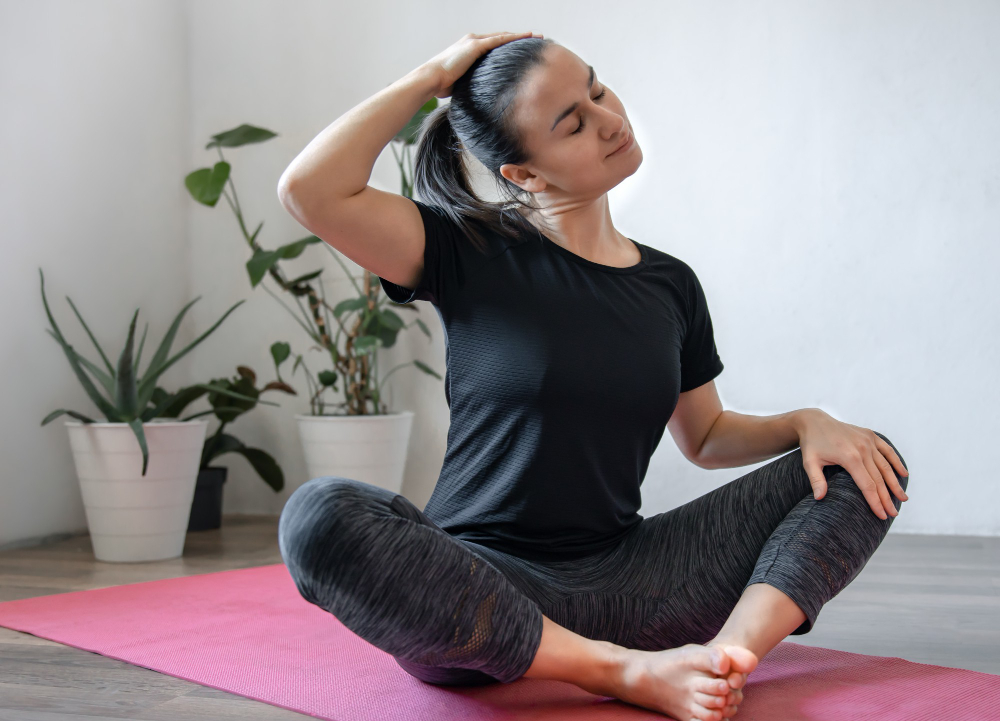
Neck stretching exercise is a simple way to keep your neck muscles loose and healthy. These exercises help move your neck gently in different directions. As a result, you can reduce stiffness and improve flexibility. Many people use neck stretching exercise for pain relief and to prevent discomfort. You can do these exercises at home or at work. However, it is important to stretch your neck safely to avoid injury.
Benefits of Neck Stretching Exercises
Neck stretching exercises offer many benefits. For example, they can:
According to the World Health Organization (WHO), regular stretching can help prevent muscle tightness and discomfort. In addition, stretching may improve blood flow to the neck area.
Common Causes of Neck Stiffness or Discomfort
Many people experience neck stiffness at some point. Often, this happens due to:
However, some medical conditions, such as arthritis or a slipped disc, can also cause neck pain. If your pain is severe or lasts a long time, you should talk to a healthcare professional.
Step-by-Step Guide to Safe Neck Stretching Techniques
Before you begin, sit or stand up straight. Always move slowly and gently. Here is a simple guide on how to stretch your neck safely:
Repeat each stretch 2–3 times. If you feel pain, stop right away. For best results, try these neck flexibility exercises daily.
Safety Tips and Precautions
Although neck stretching is usually safe, you should follow these tips:
Additionally, always listen to your body. If something feels wrong, it is best to stop.
When to Avoid Neck Stretching or Consult a Healthcare Professional
Sometimes, neck stretching exercise is not safe. You should avoid these exercises and see a doctor if you have:
According to the Centers for Disease Control and Prevention (CDC), it is important to get medical advice if you have these symptoms. Early care can prevent further problems.
Lifestyle Guidance for Maintaining Neck Health
Besides stretching, you can take other steps to keep your neck healthy. For example:
Even small changes can make a big difference in neck comfort.
Prevention Tips for Neck Pain and Stiffness
To prevent neck pain and stiffness, try these tips:
With these habits, you can lower your risk of neck problems.
Conclusion
Neck stretching exercise is a simple way to ease pain and improve flexibility. However, always use safe techniques and listen to your body. If you have ongoing pain or other symptoms, consult a physiotherapist at The blue green clinics for personalized neck stretching advice.